Osteopathic Student Edward Via College of Osteopathic Medicine Kenner, Louisiana, United States
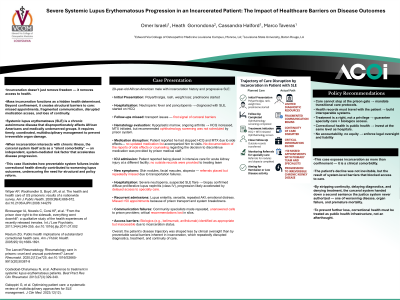
Clinical Scenario or Case: A 29-year-old African American male with polyarthralgia, weight loss, and rash was diagnosed with SLE after presenting with neutropenic fever. He was started on steroids and hydroxychloroquine (HCQ), but care was inconsistent due to incarceration-related barriers. Limited drug access and poor communication between prison staff and providers disrupted treatment planning. The patient discontinued HCQ due to side effects without the medical team being informed, delaying care adjustments. Repeated transport failures led to missed follow-ups, including ophthalmology screening and three nephrology appointments, delaying the diagnosis of severe lupus nephritis.
Evidence/Literature Review: Correctional facilities often lack onsite specialists, and offsite visits are delayed by staffing and security issues. Only 42% of inmates with chronic illness saw a health professional in the past year (Wilper et al., 2009), leading to worse outcomes.
Poor electronic health record (EHR) integration and communication between prison and community providers result in missed medications and follow-up. Logistical barriers delay drug administration and routine monitoring, increasing the risk of complications, especially in immunosuppressed patients (Morrissey et al., 2006).
Unique Aspects of Case: This case exemplifies the systemic vulnerabilities that incarcerated patients with complex medical conditions often face—including fragmented care, poor medication continuity, and missed opportunities for disease stabilization which resulted in progression from mild symptoms of SLE to severe organ involvement over the course of 2.5 years for this patient.
Recommendations/Conclusions: The complications of this case highlight a need for regular, structured communication via frequent coordination calls or meetings, a standardized template for medication list, recent labs, pertinent hospital or specialty notes to accompany the patient, and a practice of clear post-discharge medication reconciliation process with a correctional health provider confirming receipt and administration of prescribed treatments.
In addition, public policy level change is needed to establish parity of care with the non-incarcerated population, including funding for telehealth and specialty pharmacy access.